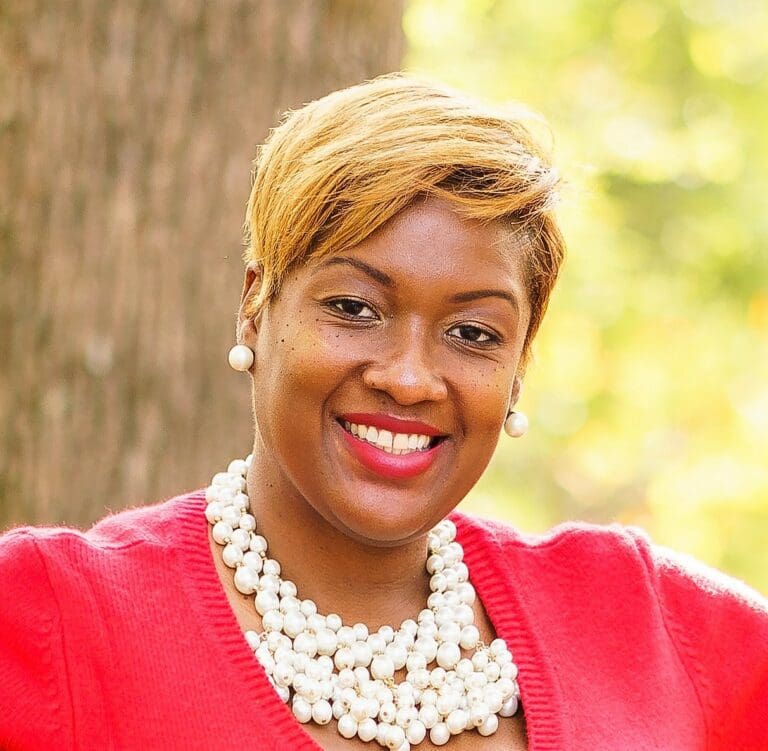





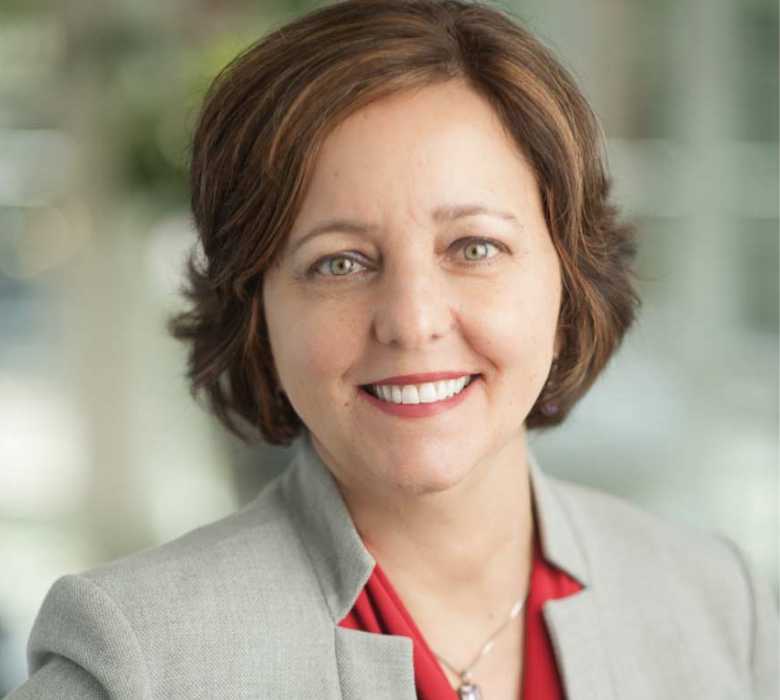
A proven and innovative leader, Rhonda Evans has more than 25 years managing organizational change and building high performing teams. She has spent the majority of her career in the healthcare industry, previously serving as the IT PMO Manager in Patient Services for Novant Health. Currently, Rhonda is the PPMO Portfolio and Governance at Cencora, a leading global pharmaceutical solutions organization. She is the product manager for the SDLC Framework and mentors and coaches project managers, program managers, and scrum masters on PMO Processes and alignment to their ways of working.
“I really found healthcare to be my wheelhouse,” Rhonda said. “With those types of projects, I felt like every day I was working to put tools into the hands of healthcare professionals who were on the front lines helping patients.”
In addition to her work at Cencora, Rhonda is completing her third and final year as President of the PMI Carolina Chapter. As of January 2025, she will become a Region Mentor for PMI Global. As part of that role, she will mentor board members from 13 chapters within her region, including PMI Carolina.
Rhonda brought her experience and expertise to the Program Advisory Board (PAB) for the Master of Project Management program at Wake Forest School of Professional Studies (SPS) in 2022. The PAB is made up of industry leaders and practitioners who make sure SPS programs remain impactful, accessible, and relevant. We sat down with Rhonda recently to discuss the real-world application of project management, her atypical days, and what advice she has for those new or up-and-coming in the profession.
Meet Rhonda Evans: 
Current role / organization: PPMO Portfolio & Governance at Cencora and President of PMI Carolina Chapter
Location: Charlotte, North Carolina
Degrees earned: B.A. in Psychology and Organizational Management from Ashford University; M.S. in Organizational Development; Participated in the Executive Coaching Program at McColl School of Business at Queens University of Charlotte.
Certifications: Project Management Professional (PMP), Certified Business Analysis Professional (CBAP), Certified ScrumMaster (CSM), Six Sigma White, Yellow and Orange Belts
What to know about her outside of work: Loves travel and exploration; can often find her kayaking down the Catawba River on any given weekend.
Project Management in Action: A Proactive Approach Pays Off
Wake Forest School of Professional Studies (SPS): What’s the view or approach you take to project management?
Rhonda Evans (RE): To me, it’s all about being a strategic partner and helping teams transform. It is crucial to any project to build those relationships and create an inclusive culture conducive of high performing teams. This all requires a proactive approach – to leading both projects and people.
SPS: Typically, what’s the first thing you do when you get to work for the day?
RE: I re-check my priorities that I set the day before. I like using a “top three list” so one of the first things I do is make sure that the list is still valid. I look to see if anything else has come in that needs to be moved up. There’s always going to be distractions during the day, but I prescribe to the perspective of doing what’s on your top three list and focusing on what’s the value-add or the most important.
SPS: How do you typically end your day?
RE: The last thing I do is look ahead and make sure I have everything ready for the next day. This is when I set my priorities and ask myself those questions like “Do I have everything I need?”, “What prep work do I need to do?”, “How much time do I need to block off?” Again, this is when I make my top three priorities list that I’ll revisit in the morning.
SPS: In your specific role, what are some daily tasks that you have to do every day to keep projects and programs moving forward and running smoothly?
RE: I like to use a kanban board. It doesn’t matter what tool it is, but I like a good card system. They’re really easy to use, and you can customize it to what you want and your ways of working. But one of my mantras is “Use tools. Don’t let the tools use you.” This means making sure that you’re not using tools as a checkbox because at that point it becomes administrative versus helpful. Your tools should help you be proactive and help you drive your project or program forward.
SPS: After more than 25 years in the field, what’s some of the biggest misconceptions people have about project management?
RE: A lot of people think project management is the same no matter where you go, but it’s different in every organization. It depends how they want project management used and what they think about it. Certainly, you can do project management in any organization but what you do could be different. It isn’t black and white or the same across the board.
I think a lot of people also think it’s easy, but building relationships and trust is not easy. It doesn’t just come with a degree or certification. Having your PMP doesn’t automatically make you the best project manager. You need to continue to work on your professional development and building relationships
SPS: What are some of the biggest challenges PMs face in today’s work environment?
RE: One biggest challenge is figuring out whether or not you have any control over your team members, and the answer is often “you don’t.” So, first you have to deal with resource constraints but then also overcoming the hurdle of not having much say over what they do. This is especially true if you’re on an agile team because they’re self-managing teams – they are guided rather than managed – you help “keep the noise out” so they can figure it out.
It also can be challenging to understand your resources, or your team, and how they respond. Again, you have to build a culture of high performing teams, and you do that through understanding how each person works. You have to figure out how you can get them to improve or take on constructive criticism. That’s a big challenge.
The last big challenge that comes to mind is competing stakeholders and priorities. You might have three or four stakeholders in a project who might also have different needs, and levels of risk tolerance, so you have to understand each of those perspectives and work together to meet the common goals of the project. This is where it comes back to becoming a trusted strategic partner. You have to get them to work together and align.
SPS: What’s your go-to advice for new or upcoming project managers?
RE: Make sure you can easily move between strategic thinking and logistical application. You have to be able to do it in a very agile way. Some people are really good at doing one or the other; not everybody’s good at doing both. So really working on those skills is important. As part of it, I think it’s good to allocate 30 minutes of your day to work on some kind of professional development and improvement.
Then, I also think people should consider at least once a week on building new relationships and engaging in some form of mentorship. I think it’s good to make sure that you’re building strong relationships coming into any profession or any role. It’s really about knowing how to develop your business acumen through learning your organization and your industry but then also building relationships within them.
Advance your career with an online Master of Project Management degree program from Wake Forest University’s School of Professional Studies. Request more information today.