



In honor of Veterans Day, Wake Forest SPS is proud to share stories and lessons from faculty members and students who have served in the U.S. military.
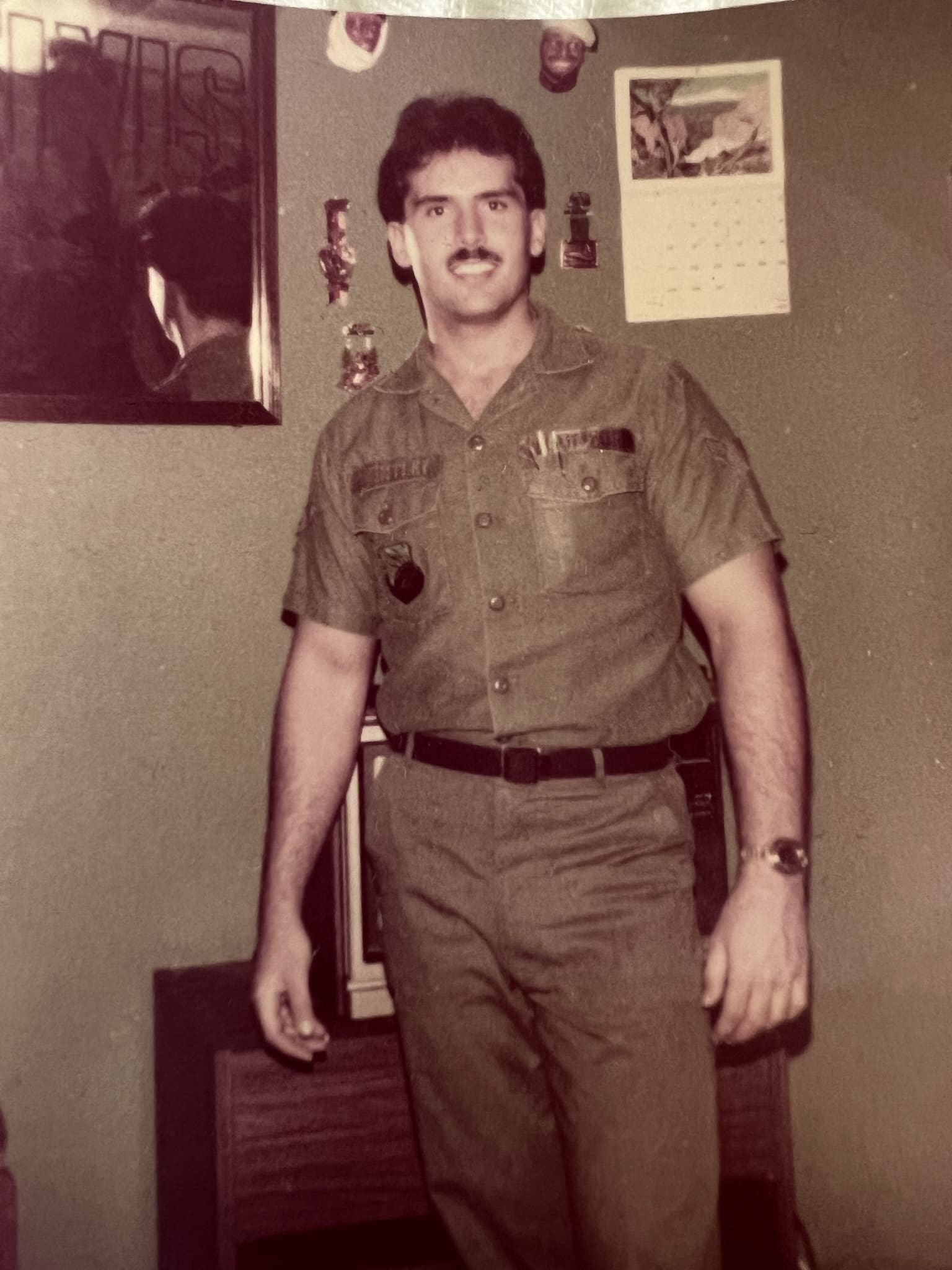
When Wayne Brandtley, PMP, PMI-ACP, A-CSM, A- CSPO, TKP earned his Project Management Professional (PMP) certificate in 1999, there were less than 18,000 people who held that certification.
Today, it’s more than 1.5 million.
Since finding himself in the world of project management in the 1990s, Wayne has continuously given back to the profession. He is active with the Project Management Institute (PMI), including a former PMI chapter president. He is also a contributor to the Project Management Body of Knowledge (PMBoK) Guide fourth, fifth, sixth, and seventh edition and co-authored Project Management ROI: A Step-by-Step Guide for Measuring the Impact and ROI for Projects.
In addition, Wayne has developed and taught numerous programs for both degrees and certificates, including the Master of Project Management program at Wake Forest School of Professional Studies.
We sat down with Wayne and asked about the lessons he learned in the military, how he became an “accidental project manager”, and what he sees coming in the project management field.
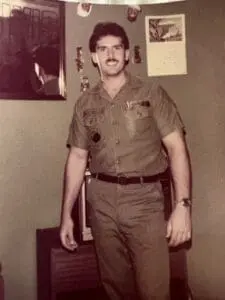
Wake Forest School of Professional Studies (SPS): Can you tell us a bit about your background and your journey into the Air Force?
Wayne Brantley (WB): It’s funny because at one point, I didn’t plan on graduating high school. I made plans to drop out and go to work in the Diamond District in New York City. But my older brother convinced me not to and said, “Stick with it. You never know when you’ll be glad to have your high school diploma.”
Fast forward a few years, and I’m working in the jewelry district. It was fun, and I was making good money but I started to wonder what I was going to do with my life. That same older brother who convinced me to finish school had a successful military career, so I got to thinking, “You know, I like electronics. Maybe I could take that interest into the Air Force.” Back then, you needed a high school diploma to join the Air Force, so I ended up being glad to have it. Originally, I said that I was only going to serve for four years, but it ended up becoming a career that I loved.
SPS: How did your career in the Air Force evolve?
WB: Someone gave me advice early on to take advantage of the military’s education benefits and to never turn down training opportunities. I took that heart and started going to school, eventually getting my bachelor’s and master’s. About three years into my service, I put in for instructor duty because that role offered some stability in terms of scheduling which would allow me to keep working on my degrees. But what I found was that I really had a passion for this work, so the rest of my Air Force career revolved around training and development.
SPS: How did you find yourself in the project management field?
WB: I ended up becoming what I like to call an “accidental project manager.” In the military, you’re already managing projects, often without realizing it—risk management, scheduling, leadership. I was first introduced to the formal concept of project management from a friend in the Navy who signed on with a company to teach project management. I said, “What is this?” And he told me, “It’s a lot of the skills we learn in the military but with a very formal turn to it.”
This was in the late 90s and the field was exploding. About a year later, the opportunity came up for me and the next thing you know, I am teaching project management around the world.
SPS: What skills from your military service have you applied to your project management work?
WB: Leadership, first and foremost. The military instills that deeply, especially as you move up the ranks. Then, there’s my instructional background. The Air Force’s training prepared me well and helped me discover this passion for teaching. I’m still as excited about teaching today as I was 40 years ago.
SPS: How do you end up working with Wake Forest SPS?
WB: Just as SPS was starting, someone in my network gave Wake Forest my name. They invited me to help develop and then teach in the new project management program, so really I’ve been here since day one. Right now, I teach four courses, which I developed myself. It’s great; it’s been an honor to represent Wake Forest because it’s such a great, quality school.
SPS: What do you think is unique about the Master’s in Project Management program at Wake Forest?
WB: I love how it’s well-suited to a diverse range of students, from working professionals to student-athletes. We’ve had students as young as their 20s and as old as 67. It’s exciting to help people advance mid-career or make a jump in their professional lives.

SPS: Looking ahead, can you describe the emerging trends the project management professionals today need to know?
WB: Project management is one of the fastest-growing professions, with an estimated 2.2 million new project management-oriented jobs opening up over the next decade. A big trend we’re seeing is the impact of AI on project management. AI is increasingly becoming part of project work, and there’s a lot of focus on how AI can support project management processes.
Beyond that, project management is in every industry—construction, telecommunications, marketing, instructional design, pharmaceuticals, banking, and more. It’s everywhere, and I truly believe project management is a foundational skill because you learn how to lead teams, schedule work, and manage resources. I believe it’s the most strategic skill set anyone can have.
Outside of his work at Wake Forest SPS and other universities, Wayne is the President and Owner of 360 Degree Training Solutions. He remains passionate about coaching and mentoring young professionals. Wayne also loves traveling with his wife and spending time with his family, including his daughters and grandchildren.
To learn more about SPS programming and to connect with a staff member about options for members of the military or veterans, please contact us.