Advisory Boards are critical to ensuring SPS programs remain impactful and accessible, and accelerate the professional growth of adult learners across their careers.
Master of Digital Marketing alum Deborah Walker shares how the program helped her navigate career transitions and use storytelling to shape her work in communications.
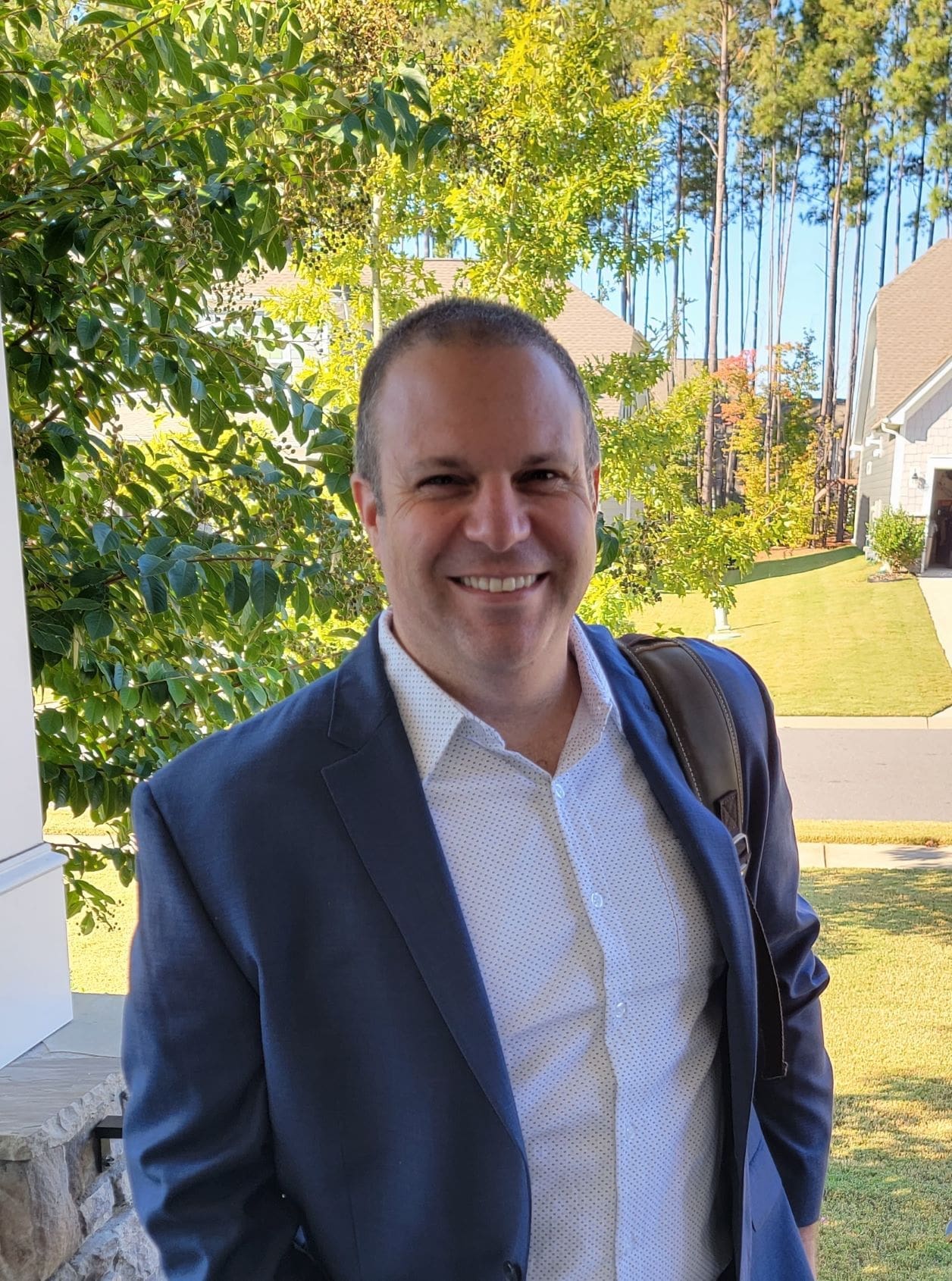
“Cybersecurity is About Trust”: Meet Academic Director Brandon Sloane
Read Time: 4 minutes
Learn more about Academic Director Brandon Sloane and why he's excited about the new online Master of Cybersecurity Leadership.
To Brandon Sloane, cybersecurity isn’t about savvy technology—it’s about trust.
“Early in my career I saw how a single security failure could disrupt not just technology but entire communities, organizations, and individuals,” Brandon recalled. “Cybersecurity is about ensuring that people can rely on the systems they use every day, from banking to healthcare to democratic processes.”
That trust element continues to drive him forward in his role as AI / Trust & Safety Risk Lead at Meta and as he prepares the next generation of cybersecurity leaders with the new online Master of Cybersecurity Leadership at Wake Forest School of Professional (SPS).
We sat down with Brandon to learn more about his professional experience, the current state of cybersecurity, and what excites him about the new program.
Wake Forest SPS (SPS): What is the most significant lesson you have learned from your career in cybersecurity?
Brandon Sloan (BS): Cybersecurity is not primarily about technology. It is about people, communication, and leadership. You can deploy the best tools, frameworks, and controls, but if you cannot gain the trust of your colleagues or align stakeholders to act in a coordinated way, your defenses will still fall short. Successful cybersecurity leaders understand that culture and collaboration are as important as encryption and firewalls. I have also learned that humility is critical. Threats evolve, mistakes happen, and no system is ever perfectly secure. Leaders must create an environment where teams can learn, adapt, and improve continuously.
SPS: Why is now the right time for professionals to consider a Master in Cybersecurity Leadership?
BS: The timing could not be more urgent. Cybersecurity has moved from being a specialized technical function in the back office to being a central concern in the boardroom. Every major organization, regardless of industry, is now grappling with cyber risk as one of its top strategic challenges. The shortage of skilled professionals is well documented, but the shortage of leaders who can bridge the technical, strategic, and human elements of the field is even more acute. This program is designed to address that leadership gap. For professionals who want to position themselves for the next decade of opportunity and responsibility in the field, now is the moment to invest in building both technical fluency and leadership capacity.
SPS: What are the most pressing challenges in the cybersecurity industry today?
BS: The talent shortage continues to be one of the most pressing. We simply do not have enough skilled professionals entering the field to meet global demand. At the same time, adversaries are increasingly leveraging artificial intelligence to scale and automate attacks. This makes the speed and sophistication of threats unlike anything we have faced before. Another critical challenge is the complexity of regulatory environments around the world. Organizations now have to navigate an evolving patchwork of laws and compliance requirements while also maintaining resilience against threats.
SPS: How is the program designed to prepare graduates for evolving industry demands?
BS: The program is intentionally structured around applied learning and leadership development. Every course is tied directly to program learning outcomes that reflect both academic rigor and market relevance. Students engage with industry experts through our Program Advisory Board, gaining insight into real-world trends and challenges. The curriculum incorporates authentic assessments, case studies, and projects that mirror the kinds of decisions graduates will face in leadership roles. Through Kaplan’s collaborative design process and the support of experienced faculty, the program ensures consistency and quality while leaving room for faculty expertise and innovation. The blend of asynchronous content, synchronous engagement, and the Wake360 in-person experience creates a learning environment that is both flexible and deeply connected to industry practice.
SPS: In your view, what trends will shape cybersecurity over the next five to ten years, and how should professionals adapt?
BS: Artificial intelligence will fundamentally change the landscape, not only in how attackers operate but also in how defenders build adaptive and predictive defenses. Supply chain security will become even more central, as organizations are increasingly interdependent on global networks of vendors and partners. Critical infrastructure will remain a high-value target, making public-private collaboration essential. Geopolitics will continue to spill into cyberspace, meaning professionals will need to understand international policy and law in ways that were less central a decade ago. Professionals should adapt by embracing lifelong learning, building multidisciplinary perspectives, and developing systems thinking that connects cybersecurity to business, law, ethics, and society. Flexibility and curiosity will be essential traits for the future.
SPS: What course or aspect of the program are you most excited about?
BS: I am especially excited about the capstone projects. They provide students with the opportunity to integrate everything they have learned and apply it directly to a complex, real-world challenge. The capstone is not just another academic requirement. It’s a chance for students to demonstrate their ability to lead, solve problems, and create meaningful impact. These projects often intersect with the work students are already doing in their organizations, which means the outcomes are not only personally rewarding but also professionally valuable.
SPS: What do organizations need to understand about the current cybersecurity landscape?
BS: Most importantly, organizations need to move beyond a mindset of prevention toward a mindset of resilience. No matter how good your defenses are, incidents will happen. The real test is how quickly you can respond, recover, and continue operating.
SPS: What advice would you give to aspiring cybersecurity experts entering the field through programs like this one?
BS: Focus on adaptability and impact rather than perfection. Cybersecurity is an expansive and constantly changing field. You will never know everything, and that is not the goal. What matters is your ability to learn quickly, connect with others, and translate technical details into business outcomes. And always remember why the work matters. At its core, cybersecurity is about protecting people, organizations, and communities. Keeping that purpose front and center will guide your career decisions and keep you motivated.
Artificial intelligence is transforming health informatics through faster data
analysis, improved diagnostics, and more. Learn how AI is reshaping h...